
How Galeria modernized its product data and thus accelerated processes and reduced costs

With 83 department stores in Germany, the online shop galeria.de and the City App, Galeria is one of the largest department store groups in Europe. The range includes fashion, beauty, household, electronics, sports, jewelry and food. Following several restructurings and the takeover by NRDC and Bernd Beetz, Galeria employs around 12,000 people and is positioning itself as a modern, networked marketplace for German inner cities.

sector: Department store group (fashion, beauty, household, electronics, sports, jewelry, food)

Company size: approx. 12,000 employees

Sales channels: 83 department stores in Germany, online shop galeria.de, city app


Galeria processed up to 60,000 new items per month from various supplier data. The lack of structures and widely varying formats led to a great deal of manual effort and delayed publications in the online shop. In addition, a variety of legal requirements had to be manually checked for various categories such as fashion, beauty, household, electronics and food, which increased the risk of errors and compliance violations.
After several insolvency proceedings and the realignment under the new owners NRDC and Bernd Beetz, profitability and efficiency came to the fore. The combination of stationary retail and online marketplace required a fundamental modernization of product data processes in order to remain competitive and reduce high personnel costs despite a growing variety of products.

Unstructured and heterogeneous supplier data
Up to 60,000 new products per month had to be extracted from differently formatted supplier data. Without automated processes, this step was extremely time-consuming and prone to errors.
No uniform categories and attributes
The product areas worked with different data structures. The lack of standardization led to high manual effort and delayed publication in the online shop.
Complex legal requirements per product category
Each category had specific legal requirements. The manual audit led to errors, compliance violations and increasing warning risks.
Long time to market despite existing goods
Although products were available in the warehouse, incomplete or missing data prevented their timely publication. This resulted in delays in online product range and lost sales.
Together, Galeria and ainavio defined three central goals to modernize product data processes and create the basis for faster, legally compliant and more efficient data processing.
1. Significantly shorter time to market
Through automated data extraction and standardized categories, products should be delivered faster from receipt of goods to publication.
2. Reducing personnel costs
AI-based processing of large amounts of data and standardized workflows should significantly reduce manual effort.
3. Increasing data quality and compliance security
Standardised attributes, automatic validations and integrated compliance checks should reduce errors and minimize legal risks.
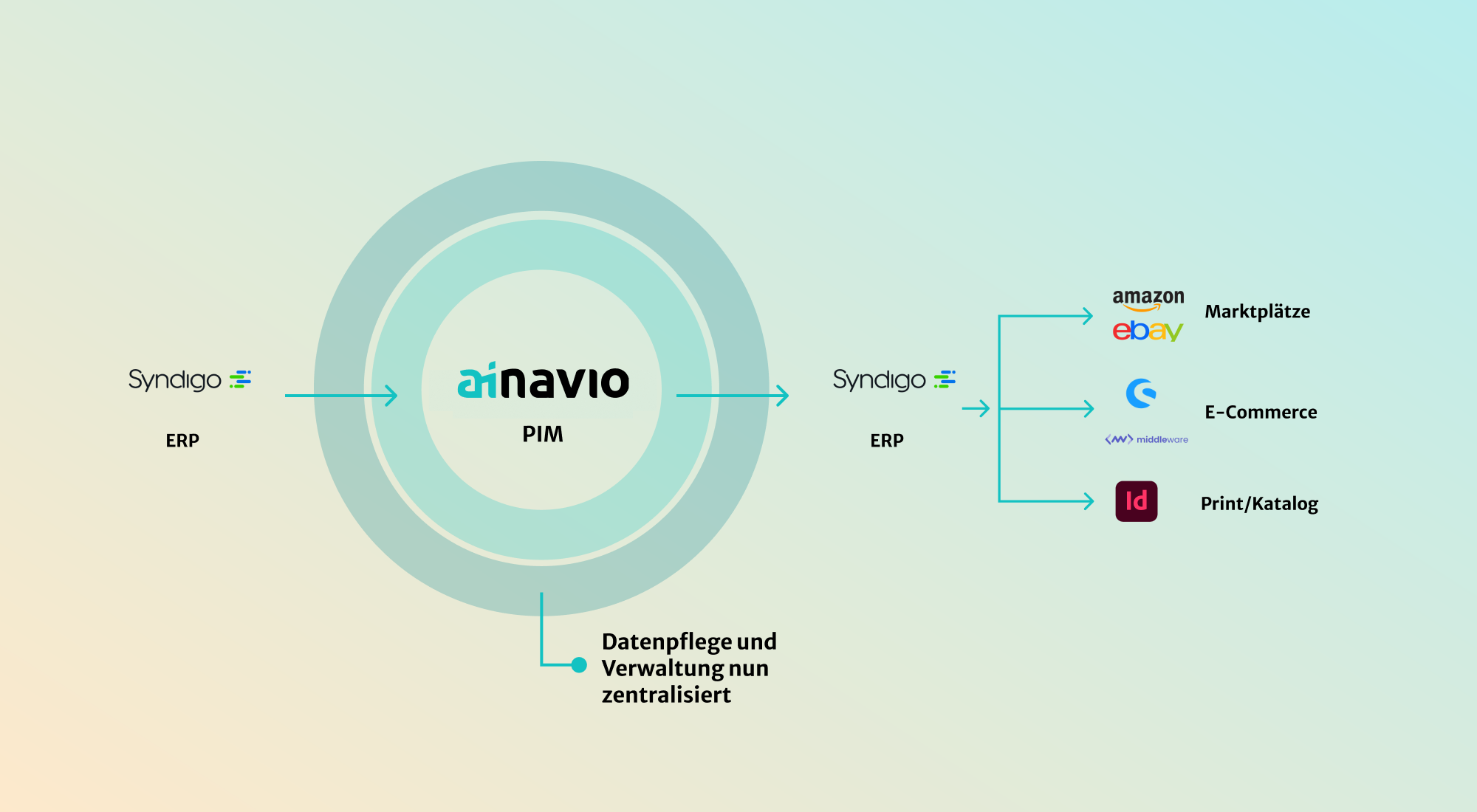

Massive time savings: The automated processing of large amounts of data significantly reduces manual effort. Up to 60,000 new products can be processed faster and with fewer errors.
Accelerated time to market: Products get from incoming goods to the online shop faster, which means that sales potential can be used earlier.
Reducing personnel costs: Standardised categories, uniform workflows and automated mass data management significantly reduce personnel requirements.
Fewer error costs: Structured processes and automatic validations reduce compliance errors and associated warning costs.
Central database for all product areas:Product information from fashion, beauty, household, electronics and other categories is maintained and consistently displayed.
Unified workflows and secure compliance:Category-specific regulations and integrated checks ensure high data quality and reliable legal security.
High scalability for large product ranges:The efficient processing of large amounts of data makes it easier to integrate new suppliers and enables rapid product range adjustments.
The introduction of the ainavio system has comprehensively modernized Galeria's product data processes. Automated data extraction, standardized workflows and integrated compliance checks significantly reduce time to market and significantly reduce personnel costs. At the same time, they increase the quality of product information and create transparency across all product areas.
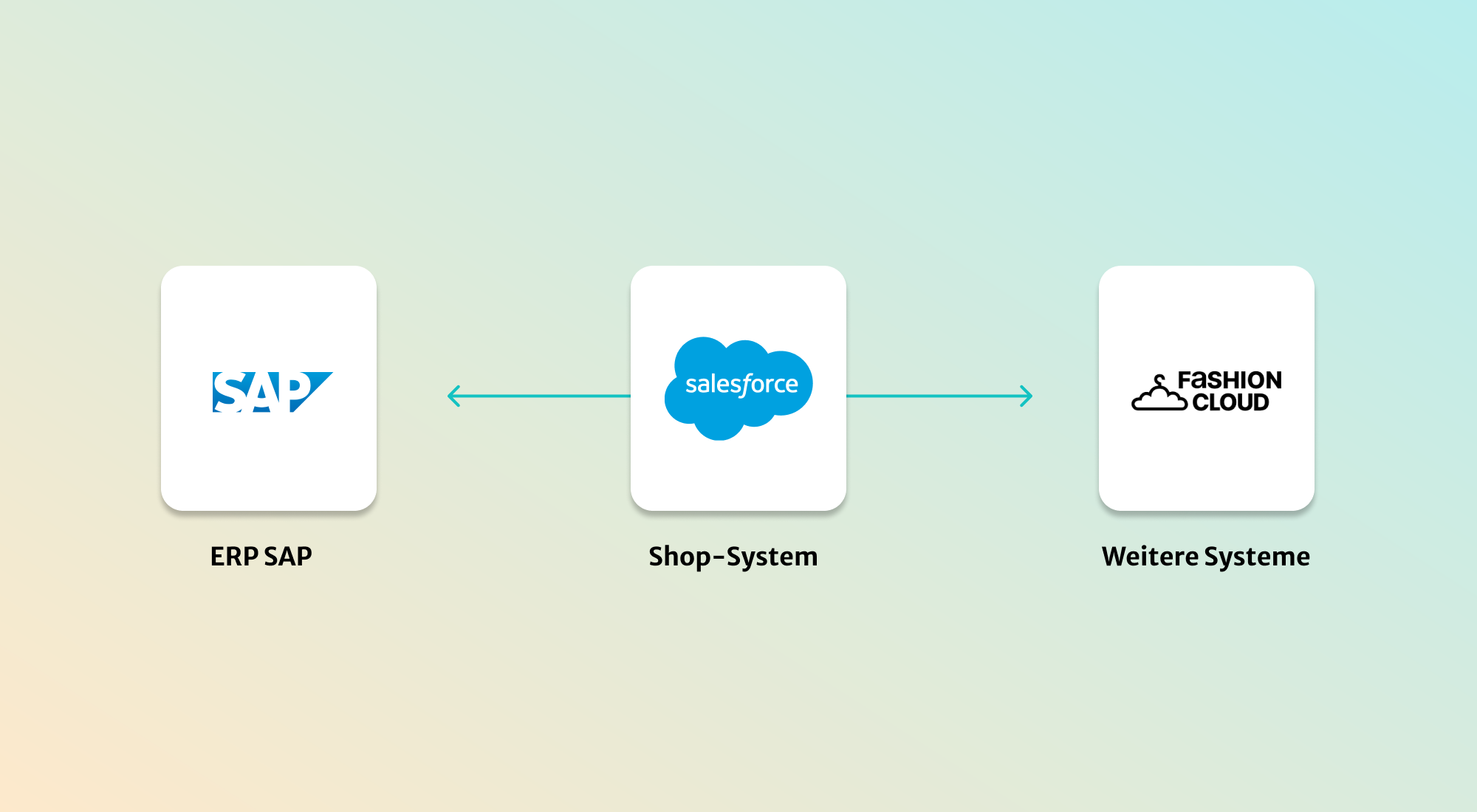
The close integration of ERP system, e-commerce platform and PIM creates a scalable and efficient IT landscape that supports Galeria in its strategic realignment in the long term. The further optimization of data processes and the expansion of automated processing enable flexible product range design and strengthen competitiveness in stationary and digital retail.